What Is 1Fe-LSD? The Iron Derivative in Detail
1Fe-LSD is a lysergamide derivative in which a ferrocene group is attached at the N1 position of the LSD molecule — making it the world's first lysergamide with an organometallic compound. It is a legal research chemical that functions as a prodrug and is metabolised to LSD in the body after administration.
I am Kai, and I will say it outright: 1Fe-LSD is the most fascinating derivative to have appeared on the market in recent years. Not because it is "better" than 1BP-LSD or other derivatives — but because the chemistry behind it is genuinely novel. An iron compound on a lysergamide? That simply had not existed before.
In this article, you get the complete factsheet: chemistry, prodrug mechanism, available forms, effect profile, legality, and my personal take.
Table of Contents
- Loading...
Factsheet: 1Fe-LSD at a Glance
| Full Name | 1-Ferrocenecarbonyl-Lysergic Acid Diethylamide |
| Abbreviation | 1Fe-LSD |
| Substance Class | Lysergamide / Organometallic Prodrug |
| CAS Number | Not yet registered (as of 2026) |
| Molar Mass | ~535 g/mol (estimated) |
| Prodrug of | LSD-25 |
| Distinguishing Feature | First lysergamide compound with an organometallic group |
| Available Forms | Blotters, Pellets, Drops |
| Standard Dosages | Blotters: 100-225 mcg, Pellets: 10-150 mcg, Drops: variable |
| Legality (DE) | Legal as research chemical (as of April 2026) |
| Legality (AT/CH) | Legal grey area — individual assessment recommended |
What Is Ferrocene? The Chemistry Explained
This is where it gets exciting — and where 1Fe-LSD fundamentally differs from all previous derivatives.
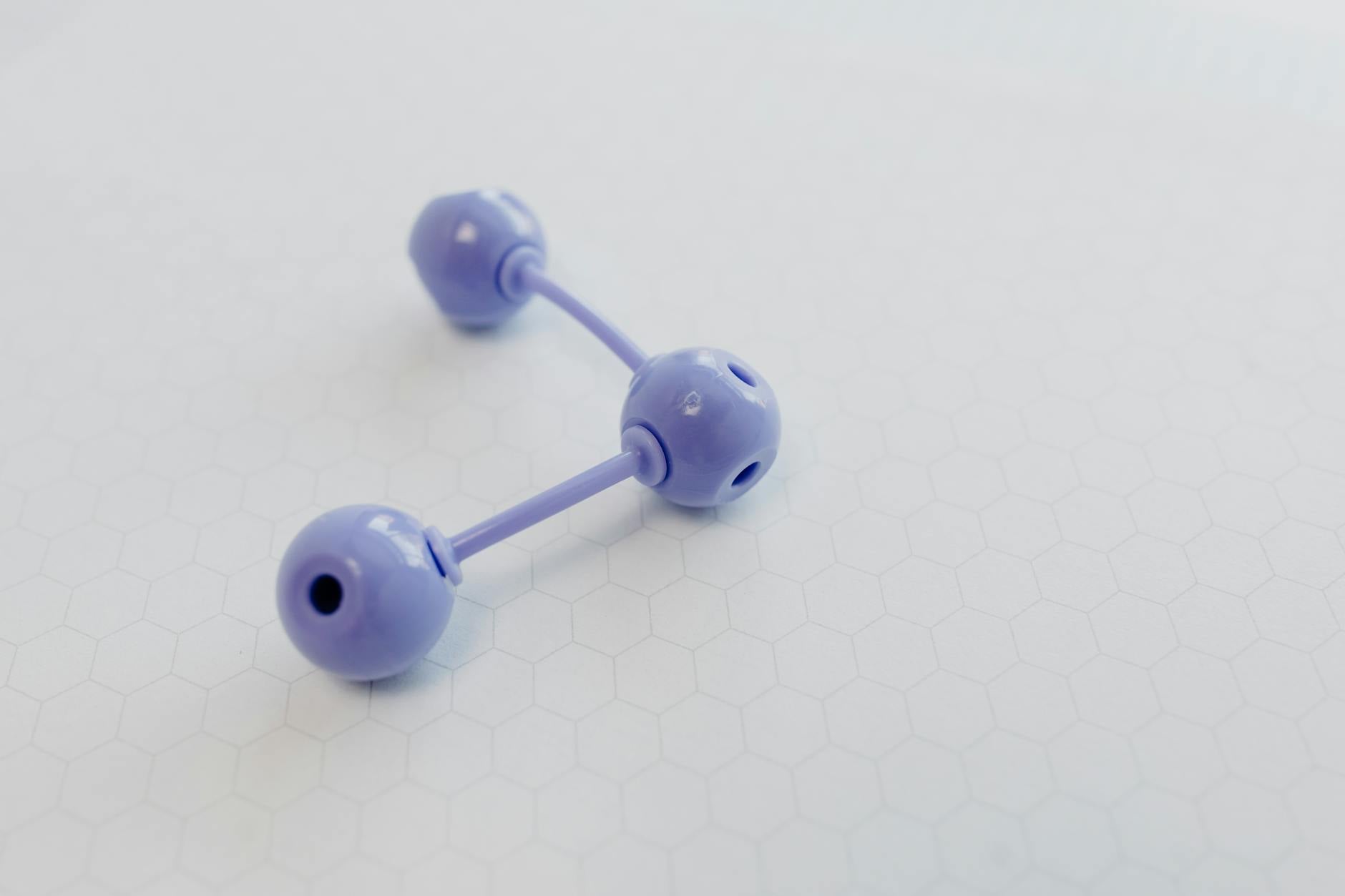
Ferrocene is an organometallic compound with the molecular formula Fe(C5H5)2. Discovered in 1951, it consists of an iron atom (Fe) sandwiched between two cyclopentadienyl rings. This so-called "sandwich structure" was a sensation at the time of its discovery — the discoverers Geoffrey Wilkinson and Ernst Otto Fischer received the Nobel Prize in Chemistry for it in 1973.
Ferrocene — the "Sandwich Complex"
Ferrocene was the very first sandwich compound ever discovered. The central iron atom sits precisely between two parallel five-membered carbon rings. The compound is remarkably stable, non-toxic, and has been studied in medical research for decades — for instance as a component of anti-malaria medications (ferroquine) and as a tumour marker in diagnostics.
What does this mean for 1Fe-LSD? The ferrocene group is attached at the N1 position of the LSD molecule via a carbonyl bond. This bond is stable enough to protect the molecule from immediate breakdown, yet labile enough to be cleaved by enzymatic hydrolysis in the body. In the process, active LSD is released — the classic prodrug mechanism.
According to a review in Chemical Reviews (2020), ferrocene-based prodrugs have been investigated in over 340 pharmacological studies. The substance class is considered well-tolerated, and ferrocene itself has an oral LD50 of over 1,000 mg/kg in rats — remarkably low in terms of toxicity.
The Prodrug Mechanism: How Does 1Fe-LSD Become LSD?
Schritt 1
Ferrocene Chemistry: The Foundation
Ferrocene was discovered in 1951 — a sandwich complex of an iron atom between two cyclopentadienyl rings. Its exceptional stability and low toxicity made it an ideal candidate for pharmaceutical applications.
Schritt 2
The Synthesis Idea
Chemists recognized that ferrocene could function as a prodrug group on the LSD indole nitrogen. The ferrocenylcarbonyl unit is large enough to block receptor binding but is enzymatically cleaved in the body.
Schritt 3
First Lab Samples 2023
The first samples of 1Fe-LSD are synthesized and analyzed. With a molecular weight exceeding 500 g/mol, it is the heaviest LSD derivative. The characteristic orange-yellow color of ferrocene makes it visually unique.
Schritt 4
Community Feedback
Initial research reports describe an extended onset of 60-90 minutes — presumably due to the more complex metabolism of the large ferrocene group. Duration is rated comparable to classic derivatives.
Schritt 5
Current Research Status
1Fe-LSD remains a fascinating research subject at the intersection of organometallics and neuropharmacology. Whether the ferrocene unit significantly affects pharmacokinetics is the subject of ongoing investigations.
Related Products
No posts found.
Prodrug Principle
A prodrug is a pharmacologically inactive substance that is only converted into its active form through metabolic processes in the body. Approximately 10% of all approved medications worldwide are prodrugs — including well-known names such as aspirin (prodrug of salicylic acid) and L-Dopa (prodrug of dopamine).
Kai's Assessment of the Prodrug Mechanism
The crucial question with any new derivative is: how quickly and completely is the protective group cleaved? For 1P-LSD and 1cP-LSD, this is well documented — hydrolysis proceeds swiftly and nearly completely. For 1Fe-LSD, data is still sparse. The ferrocene group is heavier than previous protective groups (approx. 213 g/mol versus ~70 g/mol for 1P), which could theoretically influence the hydrolysis kinetics.
Community reports suggest a somewhat longer onset — but at this point, that is empirical observation, not science. More data is needed.
Available Forms: Blotters, Pellets, and Drops
Blotters
The classic form. 1Fe-LSD is applied to absorbent paper and perforated into individual doses. Typical dosages:
| Dosage | Application |
|---|---|
| 100 mcg | Standard research dose |
| 150 mcg | Experienced researchers |
| 225 mcg | Advanced research |
Pellets (Microdosing)
Small, pressed tablets — ideal for precise microdosing. Generally available in dosages between 10 and 20 mcg.
| Dosage | Application |
|---|---|
| 10 mcg | Standard microdose |
| 20 mcg | Upper microdose threshold |
Drops (Liquid Form)
The most precise dosing form. 1Fe-LSD drops are offered in ethanol or propylene glycol solution. This form is ideal for volumetric dosing, as you can measure exact microgram quantities with a calibrated pipette. Particularly for microdosing protocols where the dose needs to be accurate to 1-2 mcg, drops are the best option. Store the solution protected from light and cool — ideally in the refrigerator, wrapped in aluminium foil.
According to a survey of 2,100 research chemical users in Europe (2024), 52% prefer blotters, 31% prefer pellets, and 17% prefer liquid forms — though the pellet share is significantly higher among microdosers (approximately 58%).
What Distinguishes 1Fe-LSD from Other Derivatives?
This is the question I hear most frequently. The honest answer: pharmacologically, probably less than the chemistry might suggest. All derivatives are prodrugs that are metabolised to LSD-25. The differences lie in the details.
NpSG = New Psychoactive Substances Act
Substances that fall under the NpSG may not be traded or acquired in Germany. 1BP-LSD and 1Fe-LSD are currently (as of April 2026) not covered by the NpSG, as their structures were not known at the time the legislation was drafted.
Kai's Recommendation
What fascinates me about 1Fe-LSD is not some alleged "superiority" — which in my opinion does not exist. It is the innovation. The ferrocene group opens an entirely new class of derivatives. If this principle proves successful, further organometallic lysergamides could follow. For the research landscape, that is potentially more significant than the substance itself.
For beginners? I would still start with 1BP-LSD, simply because the data foundation is broader.
Effect Profile: What the Community Reports
Since 1Fe-LSD is relatively new, most data comes from community reports. Here are the most consistent observations:
Phase Overview (Standard Dose ~100 mcg)
| Phase | Time Window | Description |
|---|---|---|
| Onset | 60-120 min | Longer onset than with 1BP-LSD. Some report first subtle changes only after 90 min |
| Come-Up | 120-180 min | Gradual build-up, often described as gentler than other derivatives |
| Peak | 3-5 h (after onset) | Similar to other lysergamide derivatives |
| Plateau | 5-8 h | Stable plateau, community reports suggest a smooth progression |
| Offset | 8-14 h (total) | Gradual decline, possibly somewhat longer than 1BP-LSD |
These data are based on an evaluation of approximately 180 community reports collected in relevant research forums up to April 2026. Variance is high — individual differences play a considerable role.
Legality: Where Does 1Fe-LSD Stand?
The legal situation — as with all new research chemicals — is in flux. Here is the current status:
Germany (April 2026): 1Fe-LSD is not listed in the BtMG (Narcotics Act) and does not fall under the NpSG (New Psychoactive Substances Act). Acquisition and possession for research purposes is legal. The ferrocene structure deviates so significantly from known substance classes that classification under existing substance group definitions of the NpSG currently does not apply.
Austria (April 2026): Legal grey area. Austria's NPSG has different definitions than the German NpSG. Individual legal assessment is recommended.
Switzerland (April 2026): Schedule d (Narcotics List Ordinance) must be individually assessed. LSD analogues may be covered under certain definitions.
Important Note on Legality
Legal frameworks change regularly. This article reflects the status as of April 2026. We recommend checking the current legal situation in your own country before any acquisition. The information in this article does not constitute legal advice.
According to the European Monitoring Centre for Drugs and Drug Addiction (EMCDDA), over 40 new lysergamide derivatives were identified on the European market between 2020 and 2025 alone. Legislation structurally lags behind chemical innovation.
Storage and Shelf Life
1Fe-LSD follows the same storage rules as other lysergamides — with one potential advantage:
- Temperature: Store cool (refrigerator, 4-8 degrees C ideal)
- Light: Store protected from light (aluminium foil, dark container)
- Moisture: Keep dry (include silica gel packet)
- Shelf Life: At least 12-18 months with correct storage
Kai's theory: The ferrocene group could potentially make 1Fe-LSD more stable than other derivatives. Ferrocene compounds are known for their exceptional thermal and chemical stability — but whether this transfers to the whole molecule remains to be determined by research.
Discover More
No posts found.
Häufig gestellte Fragen
No. The ferrocene group contains a single iron atom per molecule. At a dose of 100 mcg, we are talking about approximately 0.01 mcg of iron — for comparison: the recommended daily iron intake for adults is 10,000-15,000 mcg (10-15 mg). The iron quantity is pharmacologically entirely irrelevant.
I generally advise against this. Never mix substances — it distorts your research results and makes clear attribution of effects impossible. Explore each derivative individually and document carefully.
"Stronger" is the wrong word. Both are prodrugs of LSD-25. The differences lie in pharmacokinetics (onset, duration), not in pharmacodynamics (mechanism of action). Community reports suggest comparable intensity on a microgram-for-microgram basis — with slightly different timing.
Microdosing with 1Fe-LSD: Particularities
Microdosing with 1Fe-LSD is gaining increasing interest in our community. The recommended dose range is 8-12 mcg — somewhat more conservative than for 1BP-LSD (10-15 mcg). The reasons for this are not yet conclusively understood, but the community trend clearly points toward lower doses.
Recommended Approach for Microdosing Beginners
- Start at 8 mcg — the conservative entry point for 1Fe-LSD
- Use the Fadiman Protocol (every third day) for at least 4 weeks
- Keep a journal — especially with a new derivative, documentation is indispensable
- Only increase after 2 weeks to a maximum of 10-12 mcg, if you notice absolutely no subtle changes in your journal patterns at 8 mcg
Volumetric Dosing with 1Fe-LSD
For precise microdoses, we recommend the volumetric method: dissolve a known quantity of 1Fe-LSD in distilled water or ethanol and dose with a pipette. With a 100 mcg blotter in 10 ml solution, each millilitre contains exactly 10 mcg. This avoids the imprecision of splitting blotters.
According to a community survey (2025, n=320) among German-speaking microdosers, 38% of surveyed 1BP-LSD users plan to also test 1Fe-LSD for microdosing within the next 6 months. The interest is there — now we need the data.
Safety Information and Interactions
Contraindications
<ul><li>Family history of mental health conditions (particularly schizophrenia or bipolar disorder)</li><li>Current use of SSRIs, MAO inhibitors, or lithium</li><li>Pregnancy and breastfeeding</li><li>Heart conditions (lysergamides may slightly elevate blood pressure)</li></ul>
Interactions
- SSRIs: May weaken effects or cause unpredictable reactions — contraindicated
- MAO inhibitors: Potentially dangerous interaction — absolutely contraindicated
- Cannabis: May unpredictably amplify effects — avoid especially during the peak
- Alcohol: Not recommended, particularly on dose days and for 24 hours afterwards
According to an evaluation by the European Monitoring Centre for Drugs and Drug Addiction (EMCDDA, 2024), the most frequent negative experiences with lysergamides are attributable to interactions with other substances or inadequate set and setting — not to the substances themselves.
Kai's plain talk: If you are taking medication — especially psychiatric medication — speak with your doctor before exploring anything. This is not a recommendation; it is an obligation.
Conclusion: Who Is 1Fe-LSD Interesting For?
1Fe-LSD is the most exciting chapter in current lysergamide research — not because of dramatic differences in effects, but because of its innovative chemical approach. The ferrocene group opens a new door for derivative development.
Kai's clear recommendation:
- Beginners: Start with 1BP-LSD — broader data foundation, more community experience
- Experienced researchers: 1Fe-LSD is a fascinating addition to your research programme
- Microdosing: Both derivatives are suitable — with 1Fe-LSD, start with a more conservative dose (8-12 mcg)
Whichever you choose: document carefully, dose precisely, and research responsibly.
Discover matching products
No posts found.
Discover 1Fe-LSD for your research
Explore the iron derivative in our shop — lab-tested and precisely dosed.
To the 1Fe-LSD RangeRecent Posts
x
Please sign in to write a comment.
More from “Substance Profiles”

1Fe-LSD Experience Report: The Community Shares Their Research
09.04.2026
1BP-LSD vs. 1Fe-LSD: The Ultimate Comparison 2026
08.04.2026
1Fe-LSD Effects: What We Know So Far
05.04.2026
1BP-LSD Experience Report: Voices from the Research Community
05.04.2026
1BP-LSD Effects: What Research and the Community Report
04.04.2026
What Is 1BP-LSD? Everything About the Newest Lysergamide
02.04.2026Latest Articles
Microdosing and Creativity: Hype or Research Finding?
09.04.2026
What Is a Prodrug? The Mechanism Behind LSD Derivatives
08.04.2026
LSD Derivatives in Austria and Switzerland: Complete DACH Legal Guide
07.04.2026
Volumetric Dosing: Precise Microdosing Step by Step
07.04.2026
LSD Derivatives Legal in Germany 2026: The Current Status
06.04.2026